Whole-House Water Filtration FAQ
Does a whole-house water filter soften hard water?
Not necessarily. A carbon filtration system and a water softener perform
different functions. Carbon filtration targets disinfectants, taste, odor,
and other contaminants, while an ion-exchange water softener removes hardness
minerals such as calcium and magnesium.
What type of carbon is best for chloramine?
When chloramine reduction is an important goal, catalytic activated carbon
is commonly selected because it is designed to provide improved performance
for chloramine compared with conventional activated carbon.
What is the difference between activated carbon and catalytic carbon?
Both media use adsorption to treat water, but catalytic carbon has enhanced
surface activity that improves its ability to treat certain compounds,
including chloramine. The appropriate media depends on the incoming water
and treatment goals.
Will a whole-house water filter reduce water pressure?
Any treatment equipment creates some resistance to flow, which is why proper
sizing is important. Tank diameter, media volume, control-valve capacity,
plumbing size, and expected service flow should all be considered when
designing the system.
How large should my whole-house filtration system be?
The correct size depends on the home’s plumbing, number of occupants,
number of bathrooms, water demand, incoming water quality, and the
contaminants being targeted. Larger homes and higher-flow plumbing generally
require larger media tanks and higher-capacity control valves.
Can a water softener and carbon filter be installed together?
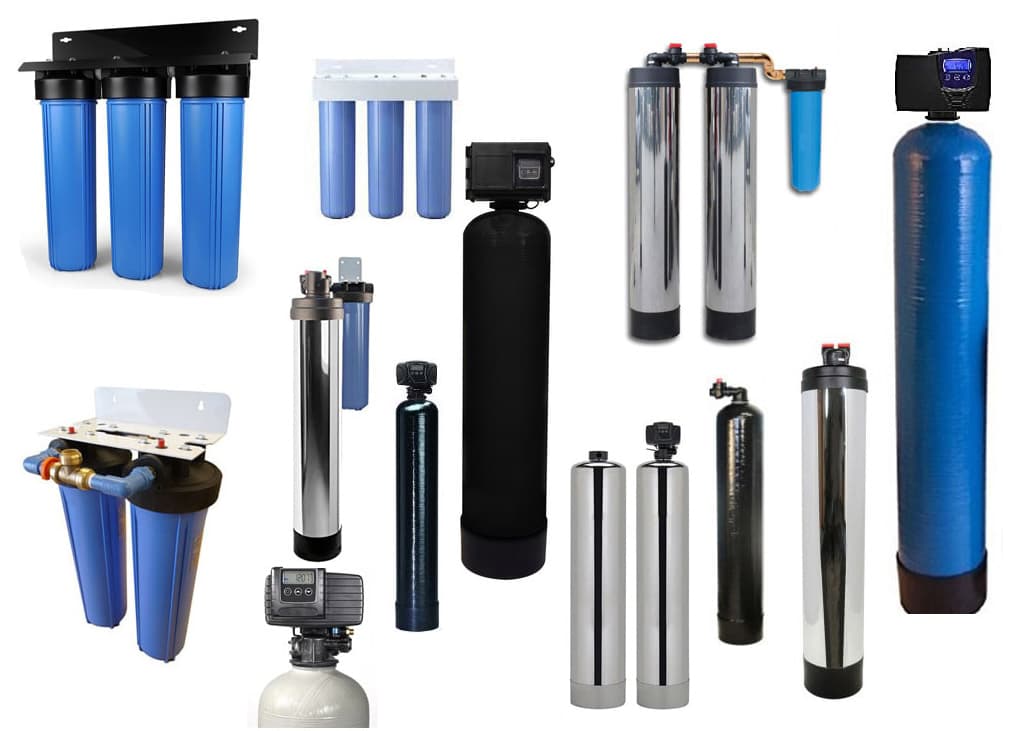
Yes. A dedicated filtration tank and separate water softener can be
installed as a dual-tank system. This allows filtration media and softening
resin to perform their individual functions and be sized according to the
home’s requirements.
Do I still need reverse osmosis if I have whole-house filtration?
Whole-house filtration and reverse osmosis serve different purposes.
A whole-house system treats water entering the property, while an
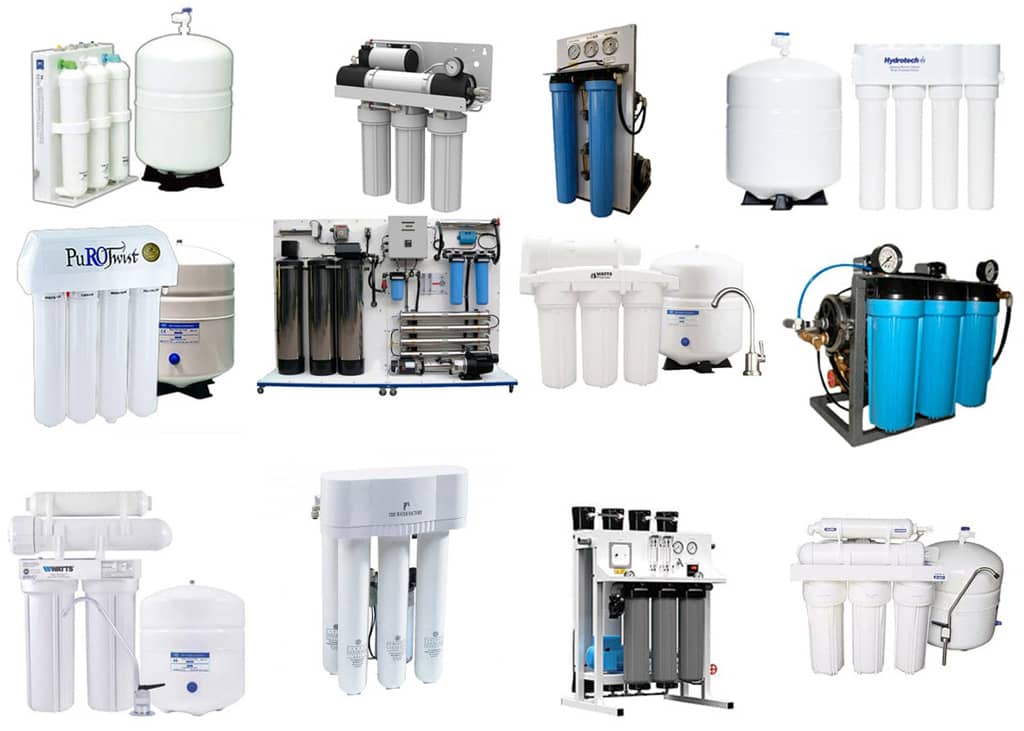
under-sink reverse osmosis system provides additional treatment for
drinking and cooking water.